

Compressed air demand in a production environment can remain high for many hours. Pneumatic machinery, packaging equipment, fabrication tools, automated systems, and production lines may all depend on a stable air supply. A screw air compressor is commonly considered for industrial applications where compressed air is required regularly for extended operating periods.
Manufacturing businesses in Baghpat, can benefit from understanding how this compressor technology works before deciding whether it matches their production needs.
How the Compression Process Works
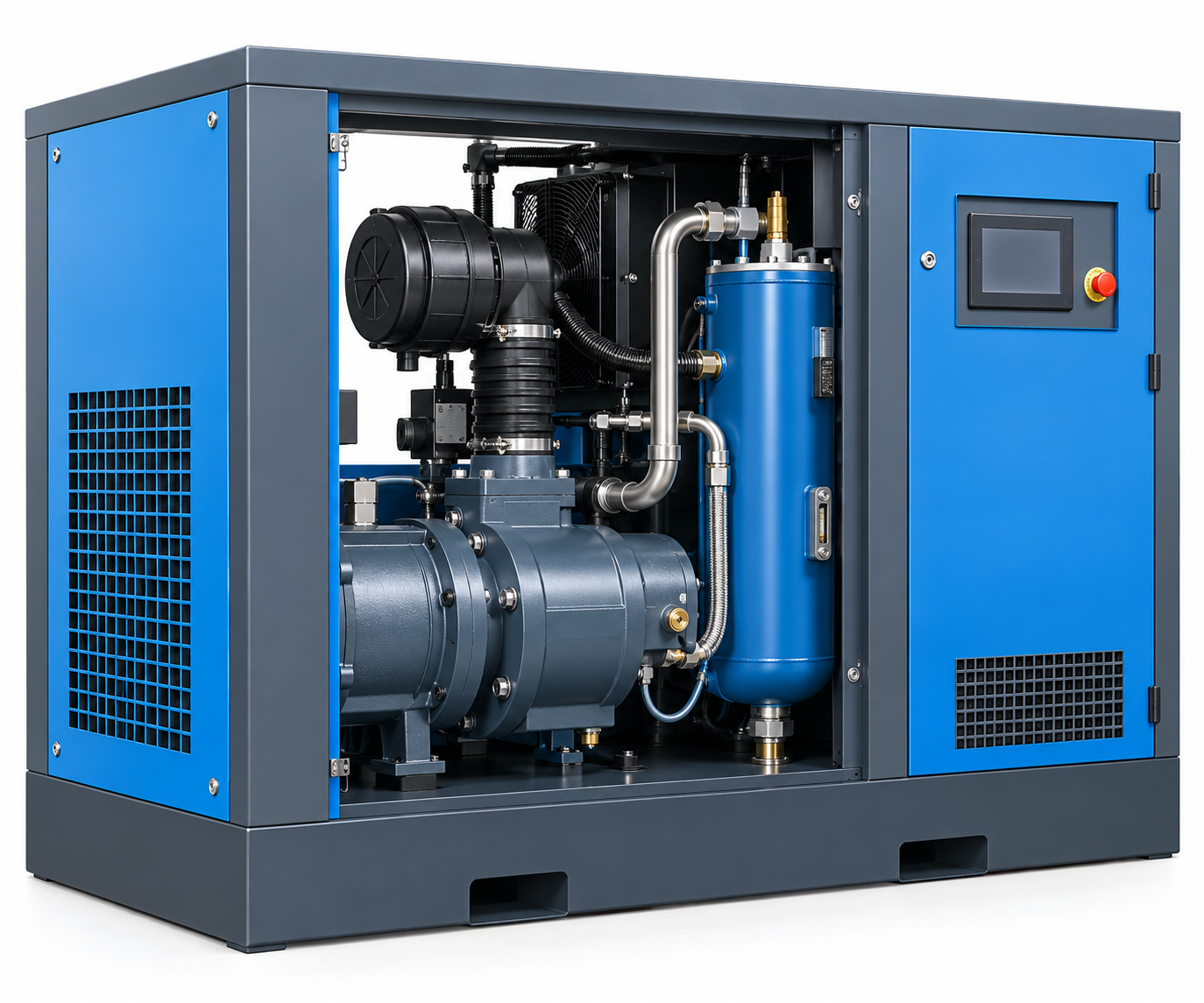
A rotary screw compressor typically uses two intermeshing rotors inside a compression chamber.
As the rotors turn, air is drawn into the unit and trapped between the rotor profiles. The available space progressively reduces as the air moves through the compression element, increasing its pressure before discharge.
This operating principle differs from reciprocating compressor technology and makes screw compressors relevant to many sustained industrial applications.
Where Screw Compressors Are Commonly Used
These machines can support compressed-air requirements in sectors such as:
- Engineering workshops
- Packaging units
- Automotive component plants
- Fabrication facilities
- Food-processing operations
- General manufacturing
- Warehouses with pneumatic equipment
- Assembly plants
Suitability still depends on the actual airflow, pressure, duty cycle, and air-quality requirement of the application.
Continuous Demand Needs Correct Sizing
The fact that screw compressors are widely used in industrial environments does not mean any capacity will work.
An undersized compressor may run under excessive load while struggling to maintain required pressure. A substantially oversized machine can also create inefficient operating conditions depending on the compressor control method and demand profile.
A proper air-demand study should examine normal consumption as well as peak requirements.
Air Storage Can Influence System Behaviour
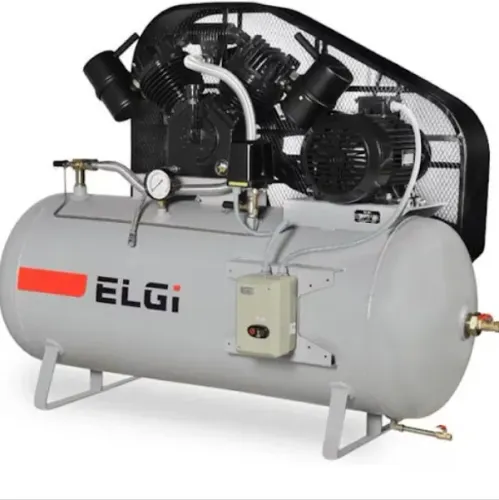
An air receiver provides storage within the compressed air system. Correct receiver sizing can help manage short-duration demand fluctuations and contribute to more stable system operation.
However, additional storage cannot compensate indefinitely for inadequate compressor capacity or major distribution problems.
If pressure continually falls during production, plant teams should investigate total demand, leakage, compressor output, filtration condition, pipe sizing, and pressure losses.
Heat Management Is Important
Compressing air generates heat.
A compressor room therefore requires suitable ventilation according to equipment requirements and site conditions. Restricted airflow or poor heat removal can create an undesirable operating environment.
The installation should also leave enough space for routine inspection and maintenance.
Compressed Air Quality Should Match the Process
Different industries require different levels of air quality.
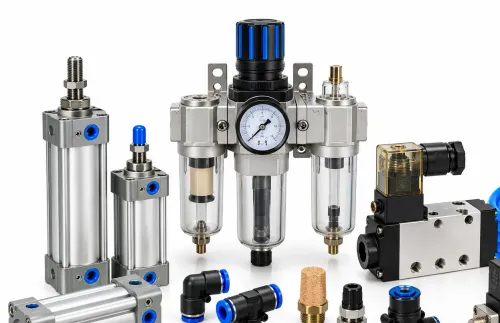
Moisture management may involve an air dryer. Filtration requirements can vary according to the equipment being supplied and the sensitivity of the process.
The correct treatment arrangement should be selected from application requirements rather than added without assessment.
Monitor the System After Installation
Operating data can reveal developing problems.
Maintenance teams can monitor pressure, running hours, service intervals, temperature indications, unusual noise, leakage, and changes in production demand.
If a facility is evaluating a screw compressor installation, SS Quality Air Solutions can support equipment discussions based on industrial operating requirements.
Understanding the complete compressed air network helps buyers avoid treating the compressor as an isolated machine. Correct sizing, ventilation, air treatment, storage, piping, and preventive maintenance all contribute to reliable compressed-air performance over the equipment's working life.