


Compressed air is one of the most expensive utilities used in manufacturing, yet many businesses have limited visibility into how efficiently their systems operate. An Air Audit provides valuable insights into energy consumption, system performance, and opportunities for operational improvement.
Manufacturing companies throughout Delhi-NCR increasingly conduct air audits to identify avoidable costs, improve compressor efficiency, and optimise compressed air distribution.
Small Inefficiencies Often Become Large Expenses
Compressed air systems gradually develop problems that may not be immediately noticeable.
Common examples include:
- Air leaks
- Incorrect pressure settings
- Oversized compressors
- Inadequate storage capacity
- Pressure drops
- Poor piping design
Individually these issues may appear minor, but together they can significantly increase annual electricity costs.
What Happens During an Air Audit?
A professional air audit typically evaluates the complete compressed air system rather than focusing on a single machine.
Assessment areas often include:
- Compressor performance
- Air demand profile
- Pressure measurements
- Leakage detection
- Dryer efficiency
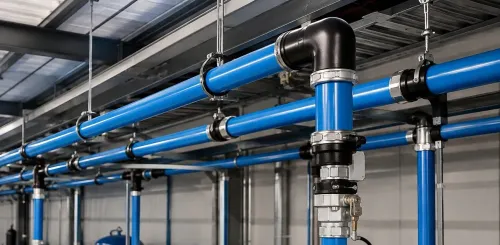
- Distribution piping
- Receiver tanks
- End-use applications
The findings help businesses understand where energy is being lost.
Benefits Beyond Energy Savings
An air audit supports several operational improvements.
These include:
- Better production reliability
- Stable compressed air pressure
- Reduced maintenance costs
- Longer equipment life
- Improved air quality
- Lower operating expenses
Many facilities also discover opportunities to postpone unnecessary equipment upgrades through system optimisation.
Industries That Benefit Most
Air audits provide value across numerous sectors, including:
- Automotive manufacturing
- Pharmaceutical production
- Food processing
- Engineering industries
- Textile manufacturing
- Packaging facilities
- Chemical processing
- Plastic manufacturing
Any facility using compressed air continuously can benefit from performance analysis.
How Often Should an Air Audit Be Conducted?
The ideal frequency depends on production activity and system complexity.
Businesses should consider an audit when:
- Energy costs increase unexpectedly.
- Production capacity expands.
- New machinery is installed.
- Compressor performance declines.
- Air leaks become frequent.
- Maintenance costs continue rising.
Regular evaluations help maintain system efficiency over time.
Turning Data into Action
Collecting system data is only valuable when it leads to meaningful improvements. Businesses often work with experienced providers such as SS Quality Air Solutions to interpret audit findings and prioritise practical upgrades that align with production requirements and available budgets.
An air audit provides a clear picture of compressed air system performance, enabling manufacturers to reduce energy waste, improve reliability, and make informed decisions that support long-term operational efficiency.