
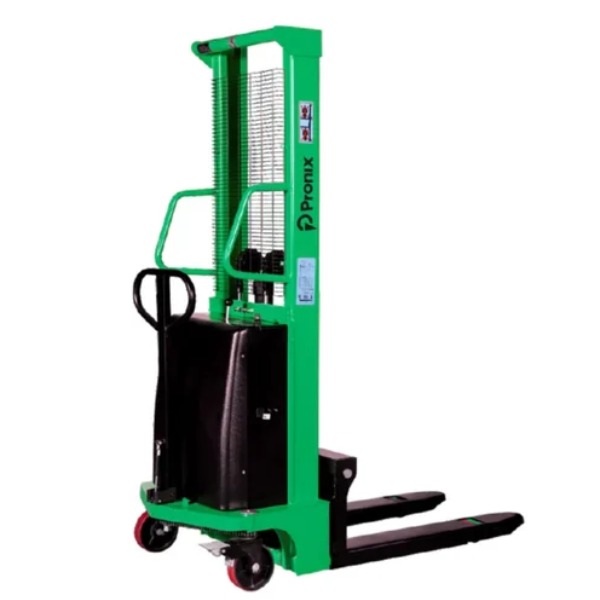
Efficient storage and movement of materials are essential for productive warehouse operations. A Semi Automatic Stacker provides an effective solution for lifting, stacking, and transporting palletised goods while reducing manual effort.
Businesses across Hapur in manufacturing, logistics, engineering, and warehouse management increasingly use semi automatic stackers to improve operational efficiency without the higher investment associated with fully automated systems.
What Is a Semi Automatic Stacker?
A semi automatic stacker combines manual movement with powered lifting functions.
This combination allows operators to lift heavier loads safely while maintaining flexibility for warehouse operations.
It is commonly used for:
- Rack loading
- Warehouse storage
- Production lines
- Loading areas
- Inventory movement
- Material transfer
Benefits for Industrial Facilities
Reduced Physical Strain
Powered lifting significantly decreases manual effort required to raise heavy loads.
Better Space Utilisation
Vertical stacking enables warehouses to maximise available storage space.
Improved Safety
Controlled lifting helps minimise the risks associated with manual material handling.
Cost-Effective Performance
Semi automatic models often provide a practical balance between manual equipment and fully powered alternatives.
Applications Across Industries
Semi automatic stackers are widely used in:
- Manufacturing plants
- Automotive industries
- Packaging companies
- Food processing facilities
- Pharmaceutical warehouses
- Logistics centres
- Engineering workshops
Their versatility makes them suitable for a broad range of industrial environments.
Choosing the Right Equipment
Before purchasing, businesses should evaluate:
- Maximum lifting height
- Load capacity
- Warehouse aisle dimensions
- Floor conditions
- Frequency of operation
- Operator requirements
- Available storage layouts
Selecting the correct specifications improves both productivity and safety.
Best Operating Practices
Warehouse teams should follow consistent handling procedures.
Recommended practices include:
- Centre loads correctly.
- Avoid exceeding rated capacity.
- Inspect wheels regularly.
- Check lifting mechanisms before operation.
- Keep travel paths clear.
- Train operators properly.
Routine inspections reduce equipment downtime while improving workplace safety.
Maintenance Considerations
Preventive maintenance extends equipment life.
Maintenance typically includes:
- Hydraulic system inspection
- Battery maintenance where applicable
- Lubrication of moving parts
- Wheel inspection
- Fastener checks
- Mast alignment verification
Regular servicing helps maintain reliable performance throughout daily operations.
Selecting a Reliable Equipment Provider
Industrial equipment performs best when supported by proper technical guidance, installation assistance, and ongoing service. Many manufacturing businesses compare suppliers based on product quality, maintenance support, and equipment suitability. SS Quality Air Solutions supplies industrial material handling solutions designed to meet varying warehouse and production requirements across different industries.
A well-selected semi automatic stacker helps improve warehouse productivity, enhances workplace safety, and supports efficient storage operations as businesses continue to expand.


