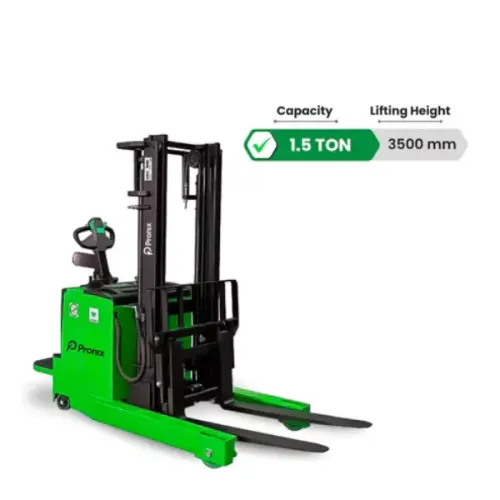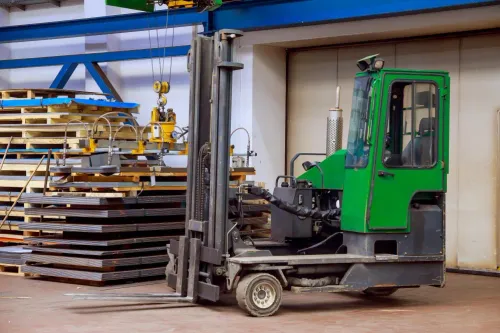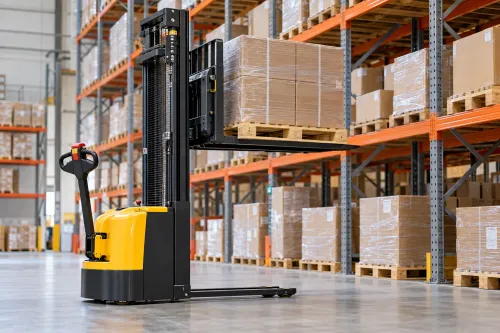


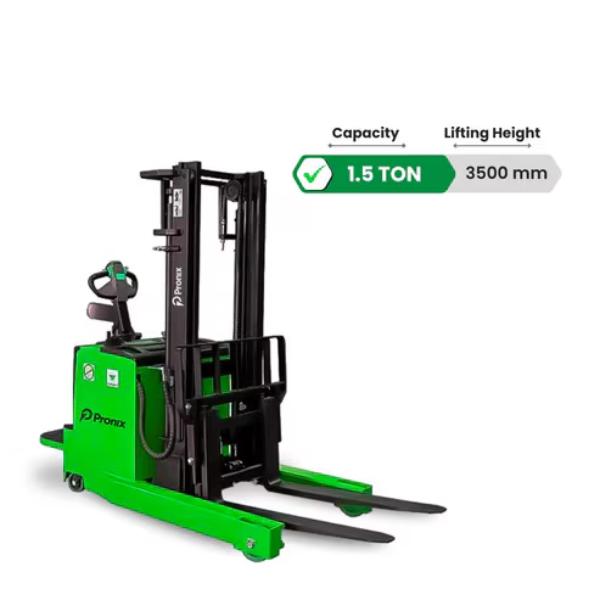
A Fully Automatic stacker can support frequent pallet handling where powered movement and lifting are appropriate for the workflow. The purchase, however, should follow a careful assessment of loads, warehouse dimensions, utilisation, energy requirements, and operating procedures.
For facilities in Ghaziabad, completing a readiness review before equipment selection can reveal whether the warehouse is prepared for powered stacker operation.
Confirm Your Load Profile
Start with accurate load information.
Record the typical pallet weight, maximum expected weight, pallet dimensions, load shape, and any unusual goods handled regularly.
This information should be compared with the manufacturer's specifications for the intended equipment configuration.
Measure the Entire Working Route
Do not measure only the rack aisle.
Follow the complete route the stacker will use, including:
- Storage areas
- Production entrances
- Doorways
- Corners
- Staging zones
- Dispatch areas
- Loading points
- Charging locations
The narrowest or most restricted point can determine whether a machine is suitable.
Confirm the Required Lift Height
Measure the highest position where pallets need to be placed.
Consider rack dimensions and overhead obstacles. Equipment specifications should be checked at the required lift height rather than relying on a general capacity figure.
Review Daily Utilisation
Powered equipment becomes particularly relevant when movement frequency justifies it.
Estimate the number of pallet movements per shift, typical travel distance, operating hours, lifting frequency, and peak workload.
This data helps distinguish a genuine operational requirement from an equipment purchase based mainly on convenience.
Prepare for Charging Requirements
Powered stackers need a planned energy arrangement appropriate to the equipment.
The facility should determine where charging will occur, whether the electrical supply is suitable, and how charging fits the working schedule.
Charging should be managed according to manufacturer guidance and applicable workplace procedures.
Review Floor Quality
Inspect the full operating route.
Damaged floors, uneven joints, steep slopes, debris, or unsuitable surfaces can affect equipment movement. Correcting floor issues before introducing new handling equipment may improve the overall operating environment.
Establish Operator Responsibilities
A powered stacker should not simply be delivered and placed into general use without appropriate operating procedures.
The business should establish authorised use, pre-operation checks, load-handling practices, pedestrian controls, parking procedures, and reporting of defects.
Maintenance responsibilities should also be assigned.
Request Equipment Based on Measured Data
When a facility is ready to discuss equipment, providing accurate operating information makes the selection process more productive.
SS Quality Air Solutions can evaluate material-handling requirements based on factors such as load, height, layout, utilisation, and operating conditions.
A fully automatic stacker is most useful when the surrounding warehouse is ready for it. Accurate measurements, suitable charging arrangements, defined operating procedures, appropriate floor conditions, and a clear workload allow the business to assess equipment from an operational perspective.
That preparation can make procurement more focused while helping the selected machine fit naturally into everyday warehouse activity.