

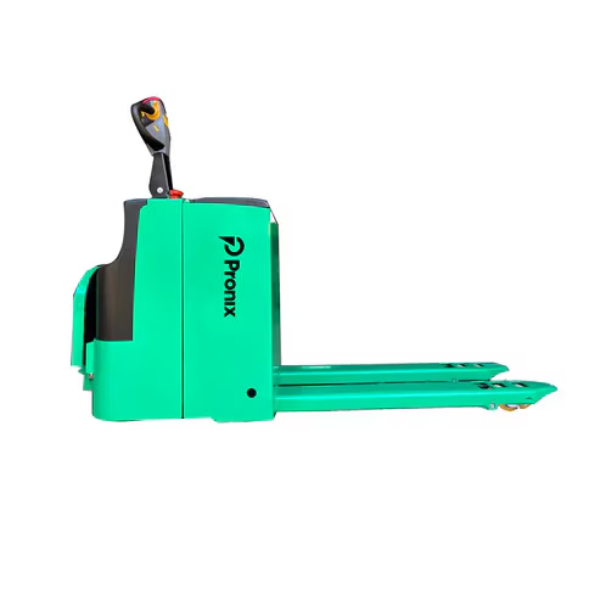
A Pallet truck may appear to be relatively simple material-handling equipment, but its suitability can influence daily warehouse movement, operator effort, pallet compatibility, and workflow. Buyers should therefore assess both the equipment and the provider before making a procurement decision.
For warehouses and industrial facilities in Hapur, several practical checks can help determine whether a pallet truck is properly matched to the intended application.
Explain the Application Clearly
A supplier needs to understand what the equipment will do.
Specify whether the pallet truck will move raw materials, finished products, packaged goods, production components, or warehouse inventory.
Also explain whether movement takes place primarily in storage aisles, production areas, loading zones, or dispatch sections.
The operating environment can influence equipment suitability.
Provide Accurate Load Information
Do not request equipment based on an approximate statement such as 'normal warehouse pallets.'
Provide typical load weight and maximum expected load. Pallet dimensions should also be supplied because fork compatibility matters.
If the warehouse handles several pallet formats, mention them during the selection process.
Measure Travel Distance
Short-distance movement may suit a straightforward manual solution in appropriate conditions. Longer routes or high-frequency handling may justify evaluating powered alternatives.
Estimate how far a pallet typically travels and how many movements occur during a normal shift.
This information helps determine whether the proposed equipment matches actual utilisation.
Discuss Floor Conditions
Tell the provider where the equipment will operate.
Smooth indoor floors present different conditions from damaged surfaces, ramps, outdoor sections, or areas with frequent floor transitions.
A supplier should consider the real operating route rather than only the warehouse description.
Ask About Equipment Specifications
Buyers should understand the key specification details relevant to their application.
These may include:
- Rated load capacity
- Fork dimensions
- Wheel configuration
- Equipment dimensions
- Suitable pallet types
- Operating requirements
- Maintenance recommendations
For powered equipment, energy and charging requirements also need discussion.
Consider Service Requirements
Material-handling equipment becomes part of daily operations, so maintenance should be considered before purchase.
Ask how routine inspection should be performed and what maintenance responsibilities apply to the selected equipment. Businesses should also establish an internal process for reporting damage or abnormal operation.
Look for Application-Based Guidance
A useful provider should ask questions before recommending equipment.
If no one asks about pallet size, weight, travel distance, floor condition, operating frequency, or available space, the recommendation may not be sufficiently application-specific.
SS Quality Air Solutions supports industrial customers assessing pallet movement requirements alongside broader material-handling needs.
The right supplier discussion should therefore feel technical rather than purely transactional. Buyers benefit from arriving with accurate measurements and a clear description of the workflow.
A pallet truck selected according to load capacity, pallet dimensions, movement frequency, travel conditions, and site requirements is more likely to integrate effectively into daily operations. Careful selection also helps the business decide when a basic pallet truck is sufficient and when a powered handling solution deserves consideration.