
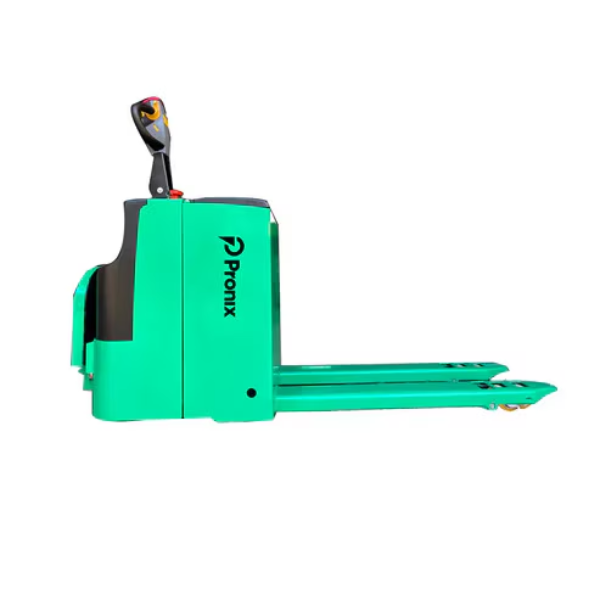
Many industrial facilities need equipment that can load, unload, transport, and stack materials without relying on additional lifting machinery. A Self Loaded Stacker offers that flexibility, making it a practical choice for businesses handling palletised goods in multiple locations.
Manufacturing companies and warehouses across Muzaffarnagar increasingly use self loaded stackers to improve productivity while reducing dependence on forklifts for lighter material handling tasks.
Understanding a Self Loaded Stacker
A self loaded stacker is designed to lift itself into a transport vehicle along with the load it carries. This feature allows businesses to move equipment between locations without requiring separate loading equipment.
Its versatility makes it particularly useful for companies with mobile operations or multiple warehouses.
Where It Can Be Used
Self loaded stackers support a variety of industrial applications, including:
- Warehouse operations
- Manufacturing facilities
- Distribution centres
- Retail logistics
- Packaging units
- Construction material handling
- Delivery operations
- Spare parts storage
Its mobility allows operators to perform lifting tasks in different environments.
Advantages of Using a Self Loaded Stacker
Greater Operational Flexibility
The equipment can be transported easily between work locations, making it suitable for businesses operating across multiple sites.
Reduced Equipment Dependency
Since the stacker loads itself, businesses may not always require additional forklifts for transportation.
Improved Productivity
Faster loading and unloading help reduce handling time and improve workflow efficiency.
Better Space Management
Compact dimensions allow the equipment to operate in areas where larger material handling machines may not fit comfortably.
Is It Suitable for Every Business?
A self loaded stacker is particularly beneficial when:
- Materials are moved frequently between facilities.
- Warehouse space is limited.
- Loading operations are performed at customer sites.
- Forklift access is unavailable.
- Moderate lifting capacity is sufficient.
Businesses handling extremely heavy industrial loads may require larger powered equipment instead.
Key Buying Considerations
Before investing, businesses should evaluate:
- Maximum load capacity
- Lift height
- Vehicle compatibility
- Wheel type
- Operating environment
- Frequency of transportation
- Battery performance
- Service support
Matching equipment capabilities with operational needs helps maximise return on investment.
Safe Operating Practices
Operators should always:
- Verify load stability.
- Follow rated load limits.
- Inspect lifting mechanisms before use.
- Secure equipment during transport.
- Keep travel routes clear.
- Perform regular maintenance checks.
These practices contribute to safer and more efficient operations.
Long-Term Equipment Care
Routine maintenance includes:
- Battery inspection
- Hydraulic servicing
- Fastener tightening
- Wheel replacement when necessary
- Lubrication of moving parts
- Electrical system inspection
Proper servicing extends equipment life while reducing repair costs.
When selecting specialised material handling equipment, businesses often look for suppliers that provide technical guidance alongside product availability. SS Quality Air Solutions supports industrial customers by recommending equipment suited to their operational requirements rather than offering standard solutions for every application.
A self loaded stacker provides flexibility, mobility, and practical handling advantages for businesses seeking efficient material movement across warehouses and multiple work locations.


