


Electricity represents one of the largest operating expenses in compressed air generation. For industries aiming to improve efficiency, a Permanent Magnet Motor Compressor offers an opportunity to reduce energy consumption while maintaining dependable air supply.
Manufacturers across Ghaziabad are increasingly upgrading to energy-efficient compressor technologies as production demands grow and electricity costs continue to rise.
Why Traditional Compressors Waste Energy
Conventional compressors often operate at fixed speeds regardless of actual air demand.
This can lead to:
- Idle running
- Unnecessary power consumption
- Frequent loading and unloading cycles
- Higher operating temperatures
- Increased mechanical wear
These inefficiencies become more noticeable in facilities with fluctuating compressed air requirements.
How Permanent Magnet Motors Improve Efficiency
Permanent magnet motors operate with higher efficiency because they minimise electrical losses commonly found in conventional induction motors.
Combined with variable-speed technology, they adjust compressor output according to actual air demand.
The result is improved energy utilisation without sacrificing production performance.
Situations Where They Deliver the Greatest Value
These compressors are particularly beneficial for facilities that experience:
- Variable production schedules
- Multiple shifts
- Seasonal manufacturing
- Frequent equipment cycling
- Changing compressed air demand
Instead of operating continuously at full capacity, the compressor automatically adjusts output.
Benefits Beyond Electricity Savings
Energy efficiency is only one advantage.
Businesses also benefit from:
- Lower operating temperatures
- Reduced maintenance
- Stable air pressure
- Quieter operation
- Longer equipment life
- Lower carbon footprint
These improvements contribute to lower total ownership costs over the equipment's lifecycle.
Calculating Return on Investment
When evaluating a compressor upgrade, businesses should compare:
- Current electricity usage
- Annual operating hours
- Compressor loading pattern
- Existing maintenance expenses
- Future production growth
Energy-efficient compressors often recover their initial investment through operational savings over time.
Installation Considerations
Proper installation remains essential for achieving expected performance.
Important factors include:
- Ventilation
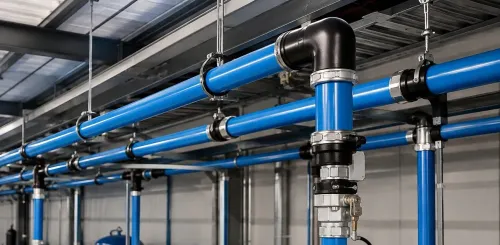
- Correct pipe sizing
- Air receiver selection
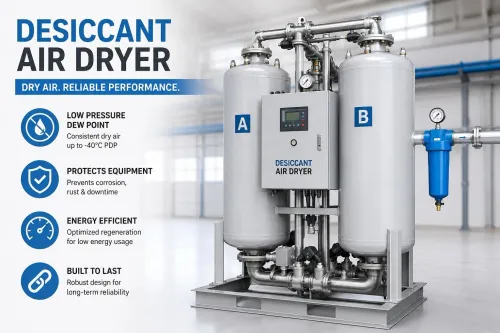
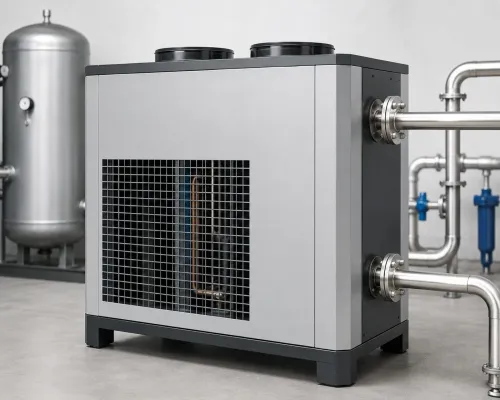
- Dryer compatibility
- Electrical infrastructure
- Preventive maintenance planning
Each component should support the overall efficiency of the compressed air system.
Choosing Equipment Based on Demand
Every manufacturing facility has different airflow requirements. Selecting a compressor based solely on horsepower may result in oversized equipment and unnecessary operating costs.
Industrial suppliers such as SS Quality Air Solutions generally recommend analysing production demand before suggesting compressor configurations, helping businesses choose systems that balance performance with long-term efficiency.
A permanent magnet motor compressor is particularly valuable for industries seeking lower energy consumption, improved reliability, and consistent compressed air delivery without excessive operating costs.